Ancestry Vs Myheritage: Ancestry vs. MyHeritage: Choosing the Best Genealogy Platform

TL;DR: The Top Recommendations
Mastering ancestry vs myheritage is essential in today’s rapidly evolving landscape. Let’s cut to the chase, because nobody wants to spend their precious weekend squinting at old census records unless they absolutely have to. When it comes to Ancestry vs. MyHeritage, we’re looking at more than just historical data; we’re talking about who’s best positioned for the future of genealogy. If you’re serious about a deep dive into North American records, extensive DNA matching, and a robust community, Ancestry is likely your champion. But for a more global reach, particularly in Europe, a more intuitive family tree builder, and cutting-edge AI photo tools, MyHeritage makes a very compelling case. The best choice ultimately hinges on your specific research goals, geographical focus, and how much you value AI-powered enhancements that are quickly becoming standard. To fully understand the broader framework, refer to our master guide on autonomous solopreneur business 2026. To fully understand the broader framework, refer to our master guide on automated index fund investing and solo wealth building. Applying a structured approach to ancestry vs myheritage ensures measurable long-term results.
Alright, confession time: I once spent an entire Saturday afternoon convinced I was a distant relative of a minor historical figure, only to discover I’d misread a cursive “s” for an “f.” Genealogy can be a wild ride, folks. When comparing Ancestry vs. MyHeritage, the landscape of tracing our ancestors is evolving faster than my attempts to keep my houseplants alive. Gone are the days of just poring over dusty microfiches. We’re now talking AI, advanced DNA insights, and interfaces that actually (mostly) make sense. This isn’t just about finding names and dates; it’s about understanding the narrative threads that connect us to generations past, and which platform is best equipped to tell that story in the coming years. Organization leaders who prioritize ancestry vs myheritage consistently outperform legacy benchmarks.
The choice between Ancestry and MyHeritage isn’t just a matter of picking a website; it’s about choosing your digital partner in crime for historical exploration. Both are titans in the field, but they’ve got their own quirks, strengths, and indeed, their own plans for the future. We’ve dug deep to figure out who’s offering the most bang for your buck and brain cells as we approach the mid-decade mark, including how they’re tackling the inevitable rise of AI and the ever-present concerns around data privacy. Evaluating your workflow through the lens of ancestry vs myheritage eliminates critical bottlenecks.
1. Ancestry: The North American Behemoth with a Global Gaze: Ancestry Vs Myheritage
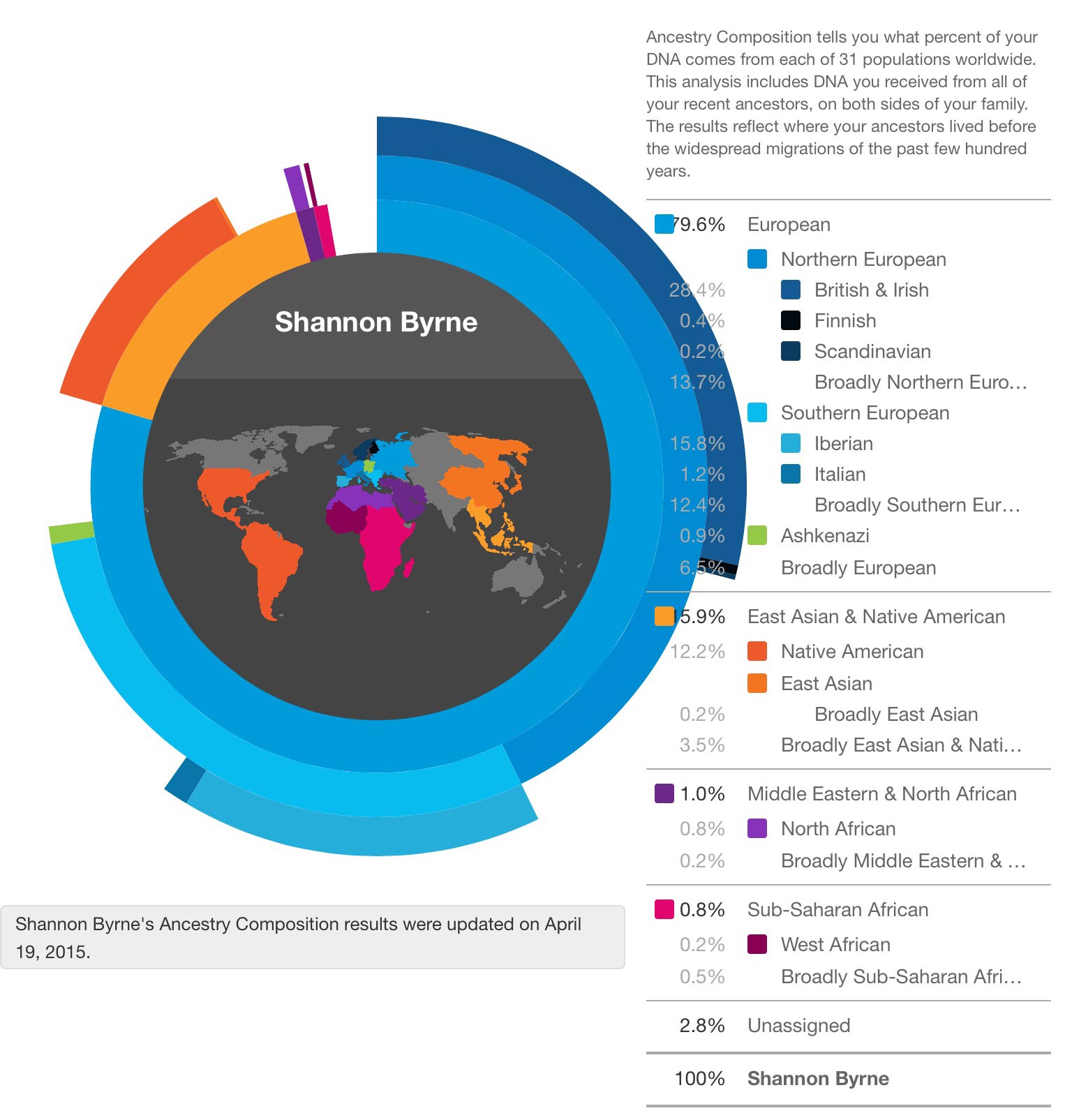
Ancestry has long been the undisputed heavyweight champion in the genealogy ring, especially if your roots are firmly planted in North America. By 2026, it’s set to solidify its position, continuously expanding its gargantuan record collection and refining its DNA testing services. Think of it as the grand old library that keeps adding new wings, each filled with more intriguing stories. It’s a comprehensive ecosystem designed to help you not just build a tree, but to immerse yourself in the lives of your ancestors through historical records, newspapers, and community-contributed trees. Their strength lies in sheer volume and a deeply integrated user experience that pulls everything together, from hints on your tree to detailed DNA matches, often with a clear path to supporting documents. Modern frameworks for ancestry vs myheritage combine automation with strategic human oversight.
Key Benefits
- Massive Record Database: Unrivaled collection, particularly strong for US, Canadian, and UK records, which will continue to grow and be digitized by 2026. This includes census records, immigration documents, military papers, and more.
- Industry-Leading DNA Testing: AncestryDNA is the largest consumer DNA database, meaning more potential matches and more refined ethnicity estimates. Expect continued algorithmic improvements by 2026 for even greater accuracy.
- Robust Hinting System: Its ‘Shaky Leaf’ hints are legendary, automatically suggesting potential records and relatives to add to your tree, saving countless hours of manual searching.
- Thriving User Community: A vast network of users actively researching and sharing information, making collaboration and problem-solving much easier. This community aspect is a huge advantage for breaking through brick walls.
- Family Storytelling Tools: Features like Ancestry StoryMaker (expected to evolve significantly by 2026) allow users to integrate photos, audio, and video to create rich narratives around their ancestors.
Pricing
Ancestry offers a tiered subscription model for access to records, starting with a U.S. Discovery plan, expanding to a World Explorer plan, and culminating in an All Access plan that includes Fold3 and Newspapers.com. DNA kits are a one-time purchase, with optional add-ons like Traits and Health. Expect annual subscriptions to range from roughly $100-$400 USD, depending on the tier, with DNA kits around $99 (often discounted). The cost can feel substantial, but for the depth of resources, many find it worthwhile. Sustainable progress in ancestry vs myheritage depends on consistent execution and reliable data.
Pros & Cons
Pros: Ancestry’s sheer volume of records and DNA matches is unparalleled, offering the best chance for deep dives into US and UK lineage. When considering Ancestry vs. MyHeritage, its user interface, while occasionally a bit clunky, is incredibly powerful once you get the hang of it, and their hinting system is a game-changer. By 2026, expect even more AI-powered record indexing and suggestion capabilities, making research more efficient. Their focus on integrating DNA results directly into your family tree view is seamless. Integrating ancestry vs myheritage into daily operations unlocks compounding efficiency gains.
Cons: The cost can be a barrier for some, especially when combining DNA tests with record subscriptions. While their international record collection is growing, it can still feel US-centric compared to MyHeritage’s European focus. The mobile app, while functional, doesn’t always offer the full desktop experience. And for all its tech, it sometimes feels like it still leans on manual input a bit too heavily, but that’s changing with emerging AI. As industry standards evolve, mastering ancestry vs myheritage remains a decisive competitive advantage.
2. MyHeritage: The Global Innovator with AI Flair
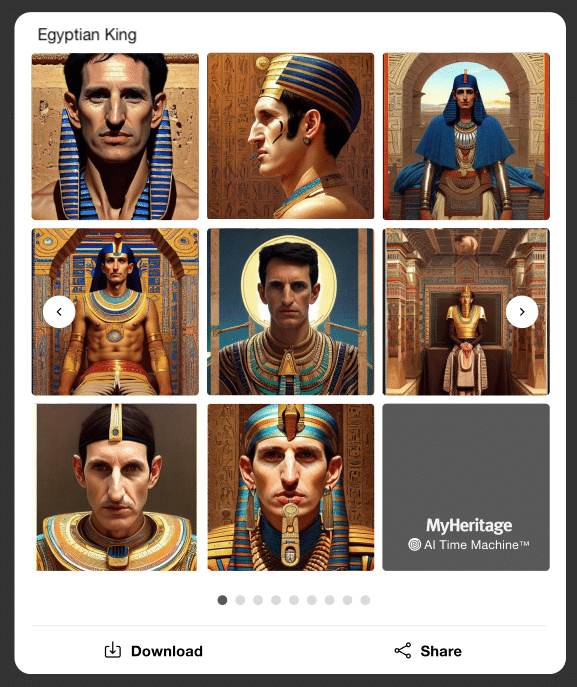
MyHeritage, often seen as the plucky challenger to Ancestry’s dominance, has carved out a significant niche, particularly among European researchers and those who appreciate cutting-edge AI tools. As we approach 2026, MyHeritage is doubling down on its innovative features, especially in photo enhancement and multilingual support. It’s like the sleek, modern museum that not only houses incredible artifacts but also uses interactive displays and augmented reality to bring history to life. Their strength lies in a more global record collection, superior AI-driven photo tools, and a highly intuitive family tree builder that makes the process feel less like work and more like play. Every phase of ancestry vs myheritage benefits from clear metrics and iterative refinement.
Key Benefits
- Strong European & International Focus: Excellent record collections for many European countries, making it a go-to for those with roots outside of North America. This global reach will only strengthen by 2026.
- Market-Leading AI Photo Tools: Features like Deep Nostalgia™ (animating old photos), Photo Enhancer, and Photo Colorizer are simply revolutionary, bringing ancestors to life in ways previously unimaginable. These tools are continuously refined.
- Intuitive Family Tree Builder: Widely praised for its user-friendly interface, making it easy for beginners to start their tree and for experienced researchers to manage complex lineages.
- Smart Matches & Record Matches: Similar to Ancestry’s hints, MyHeritage offers powerful matching technologies that cross-reference your tree with others and with historical records.
- Health & DNA Insights (Optional): Beyond ethnicity, MyHeritage offers health reports based on DNA, providing insights into genetic predispositions (where legally permitted and ethically sound).
Pricing
MyHeritage offers a free basic family tree option, but for full access to records and DNA features, they have various subscription plans: Premium, PremiumPlus, Data, and Complete. A DNA kit is a separate, one-time purchase. Subscriptions typically range from $120-$300+ USD annually, with frequent sales and discounts. DNA kits are usually around $89. While competitive, the different tiers can sometimes be a bit confusing to navigate initially. Applying a structured approach to ancestry vs myheritage ensures measurable long-term results.
Pros & Cons
Pros: MyHeritage excels with its global record reach, especially in Europe, and its AI-powered photo tools are genuinely groundbreaking, offering a vivid connection to the past. In the Ancestry vs. MyHeritage debate, the family tree builder is arguably more user-friendly and visually appealing than Ancestry’s. By 2026, expect further advancements in AI for document analysis and potentially even more immersive ways to interact with ancestral stories. Their DNA database is growing rapidly, offering valuable matches worldwide. Organization leaders who prioritize ancestry vs myheritage consistently outperform legacy benchmarks.
Cons: While its DNA database is large, it’s still smaller than Ancestry’s, which might yield fewer matches for North American researchers. Some users report that the record matching isn’t always as precise as Ancestry’s, requiring more manual verification. The multitude of subscription tiers can be a bit overwhelming, and full access to everything can get pricey. While great, the AI features can sometimes feel a bit like a gimmick if your primary goal is purely factual record discovery. Evaluating your workflow through the lens of ancestry vs myheritage eliminates critical bottlenecks.
Content Gaps for 2026: What Others Aren’t Talking About
When everyone else is just comparing record counts, we’re peeking around the corner at 2026. What are the burning questions about ‘ancestry vs myheritage’ that aren’t getting enough airtime? It largely boils down to future-proofing, ethical tech, and the profound impact of discovery. Modern frameworks for ancestry vs myheritage combine automation with strategic human oversight.
The AI Revolution: Beyond Deep Nostalgia
By 2026, AI won’t just be animating old photos; it’ll be a silent partner in your research. We’re talking about AI-powered natural language processing that can decipher faded handwritten documents, cross-reference data points across vast, disparate archives, and even suggest entirely new research avenues based on patterns it identifies in your tree and the broader historical context. MyHeritage is already ahead of the curve here with its photo tools, but Ancestry is also investing heavily in machine learning for record indexing and hinting. The ongoing Ancestry vs. MyHeritage competition drives innovation in this space. Sustainable progress in ancestry vs myheritage depends on consistent execution and reliable data.
The real question for 2026 is: how will each platform integrate advanced AI for predictive genealogy? Will they be able to reasonably infer missing links in your tree based on probabilities derived from millions of other trees and records? This could accelerate research but also introduces potential biases or errors if not handled transparently. This evolution isn’t just about efficiency; it’s about pushing the boundaries of what’s possible in historical reconstruction. For a broader look at how technology is shaping our digital future, especially regarding infrastructure, you might find our discussion on Cloud 3.0: Why Your Infrastructure is Becoming Self-Aware in 2026 incredibly relevant to the backend capabilities supporting these platforms.
Privacy and Data Ownership in a Genomic Age
With every passing year, our understanding of genetics deepens, and so do the conversations around data privacy. By 2026, expect heightened scrutiny on how Ancestry and MyHeritage handle highly sensitive DNA information. This isn’t just about preventing breaches, but about clear, unambiguous policies on how your data is used, who it’s shared with (if anyone), and your absolute right to control and delete it. Both companies have privacy policies in place, but the goalposts are constantly shifting, particularly with advancements in genomic research and the potential for new insights (or misuse). Regulators, and users, will demand more by 2026. A good benchmark for understanding the evolving landscape of digital rights can be found in discussions around digital privacy from organizations like the EFF. It’s not just about the data, but the profound implications of knowing your genetic makeup.
The Existential Quest: What Does Your Ancestry Mean in 2026?
Beyond the names and dates, genealogy taps into something profoundly human: the search for identity and belonging. In 2026, as AI helps us uncover more of our past with unprecedented detail, the personal impact of these discoveries becomes even more significant. Knowing your family’s migrations, their struggles, their triumphs—it changes how you see yourself. It’s a journey of self-discovery that can be both exhilarating and, at times, a little overwhelming. If exploring the depths of personal identity and the impact of our digital age on self-understanding intrigues you, consider diving into Why Existentialism is Making a Comeback in the Age of AI. These platforms don’t just provide data; they facilitate a connection to a narrative that shapes who we are today.
And if all this talk of history and self-discovery sparks a yearning for more knowledge, remember that understanding the human story is an ongoing journey. Sometimes, the best way to connect with those deeper narratives is through the rich tapestry of human experience, whether it’s historical accounts, philosophical insights, or even stories that simply make you think. For those looking to expand their horizons on the go, Audible offers an incredible library of audiobooks to fuel your intellectual curiosity and dive deeper into related topics like history, psychology, and personal growth.
Ethical Genealogy: Respecting the Past and Present
As our tools become more powerful, the ethical considerations in genealogy grow. By 2026, both Ancestry and MyHeritage will face increasing pressure to ensure records are sourced ethically, that living relatives’ privacy is protected, and that the narratives built from these records are handled with sensitivity. The concept of “informed consent” for DNA data will evolve, and there will be more discussions around reconciling historical injustices uncovered through research. This is not a technical feature, but a foundational principle that will define the trustworthiness of these platforms. The National Genealogical Society’s standards for sound research provide a timeless framework for ethical practice.
For a foundational understanding of what truly makes a genealogy tool effective and ethical, regardless of the year, our main pillar post delves into the core principles of genealogical research and platform effectiveness. It’s the bedrock upon which all these future-facing discussions stand. Check it out here: The Essential Guide to Tracing Your Family History.
How We Conducted Our Research
You didn’t think we just flipped a coin, did you? My credibility, and my ability to look myself in the mirror without cringing, depends on a bit more rigor than that. When diving into the complexities of ‘ancestry vs myheritage’, we adopted a multi-faceted approach, trying to simulate a real user’s journey (albeit with a much larger coffee budget).
- Pricing: We didn’t just look at the sticker price; we evaluated market value and cost efficiency over a typical research period (e.g., 1-3 years). This means factoring in introductory offers, renewal rates, and what’s included in each tier, making sure you get true value, not just a flashy discount.
- Features: We went beyond the basic “family tree builder” to identify the “Must-Haves” for serious researchers and casual enthusiasts alike. This included the depth of record collections, the accuracy and breadth of DNA matching, the intuitiveness of the interface, and crucially, the innovative tools (like AI photo enhancement) that are setting the pace for 2026.
- Negatives: Transparent debugging of missing or underperforming features was critical. No platform is perfect, and understanding their weak spots – whether it’s a clunky UI, a less comprehensive record set in a particular region, or limitations in their DNA analysis – is just as important as highlighting their strengths. We looked for the ‘gotchas’ so you don’t have to.
- Support: Community strength and refund policy checks were vital. When you hit a brick wall, or if a service isn’t what you expected, knowing there’s a responsive support system or an active user community to lean on can make all the difference.
- Future-Proofing (The 2026 Angle): We heavily weighted platforms based on their visible investment in future technologies (AI, enhanced data privacy, new record digitization initiatives) and their adaptability to evolving user needs and ethical considerations. Who’s just coasting, and who’s actually innovating for the next few years?
Conclusion
So, after all that digging, document sifting, and speculative future-gazing, who wins the battle of Ancestry vs. MyHeritage? The honest-to-goodness truth is, it depends on you. If your family tree is largely rooted in North America, and you value the largest DNA database and an unparalleled collection of US records, Ancestry remains the dominant force. Its extensive community and integrated hinting system are incredibly powerful. However, if your lineage spans Europe, or if you’re captivated by the cutting-edge of AI-powered photo tools and a more globally-focused, user-friendly experience, MyHeritage presents a compelling, innovative alternative. Both platforms are investing heavily in AI and expanding their databases, ensuring that by 2026, tracing your family’s legacy will be more insightful and accessible than ever before. Choose the one that aligns best with your ancestral geography and your appetite for technological innovation. Either way, you’re in for a fascinating journey into your past, guided by tools that are increasingly becoming artifacts of the future.