Unlock Focus: Top Biometric Trackers for Cognitive Edge
Top 5 Best Biometric Trackers for Focus and Cognitive Readiness in 2026
TL;DR: The Top Recommendations
Choosing the best biometric trackers for focus gives knowledge workers an unfair advantage. If you want the most seamless sleep and readiness tracking without screen distractions, get the Oura Ring Gen 4. If you are an athlete-coder who wants 24/7 autonomic nervous system strain and recovery analytics, choose Whoop 4.0. For real-time active nervous system down-regulation, pick Apollo Neuro. For dedicated meditation EEG neurofeedback, get Muse 2. For all-around smartwatch utility, the Apple Watch Ultra 2 remains unbeaten.
How do you know if you are ready for a demanding four-hour deep work coding session before you sit down? Most people rely on subjective feelings: “I feel okay” or “I feel a bit groggy.” But subjective perception is notoriously unreliable—you might feel groggy simply because you have not had water yet, while your central nervous system is actually primed for record output. Conversely, you might feel artificially wired from caffeine while your autonomic nervous system is red-lining on the verge of exhaustion.
Quantifying your physiology removes the guesswork. As part of our comprehensive framework for the biological engine of deep work, biometric trackers provide objective ground truth on heart rate variability (HRV), sleep staging, and autonomic recovery.
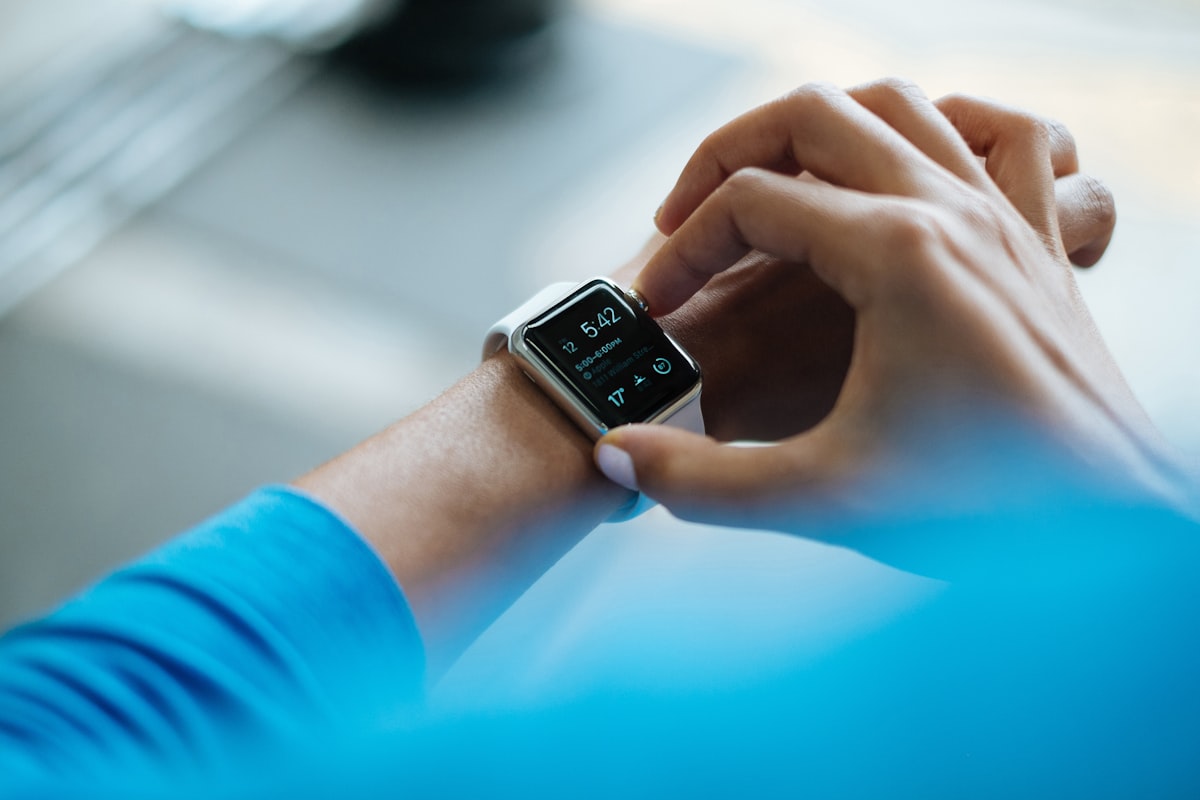
Comparing the Best Biometric Trackers for Focus and Recovery
We tested and analyzed the leading wearables in 2026 through the specific lens of knowledge workers, cognitive stamina, and mental clarity.
1. Oura Ring Gen 4
Check Best Price for Oura Ring on Amazon →
The Oura Ring Gen 4 represents the pinnacle of frictionless, screen-free recovery tracking. Worn comfortably on your finger, its interior optical PPG sensors, skin temperature sensors, and 3D accelerometer monitor your nocturnal sleep architecture, resting heart rate, and nighttime HRV with laboratory-grade precision.
Key Benefits for Focus
- Zero screen distractions or wrist buzzes during deep work blocks.
- Accurate breakdown of Slow Wave Sleep (SWS) and REM sleep architecture.
- Daily Readiness Score provides an objective 1-100 metric for cognitive capacity.
- Nocturnal temperature deviation tracks systemic inflammation and impending illness.
Pricing
Starting at $349 hardware cost + $5.99/month membership subscription.
Pros & Cons
Pros: Unrivaled battery life (5-7 days), extremely lightweight titanium chassis, best sleep stage tracking algorithm on the market. Cons: Monthly subscription fee required for full data access; can scratch against metal gym barbells.
Pair with Dr. Peter Attia’s Outlive for Deep Metabolic Insights →
2. Whoop 4.0
Check Best Price for Whoop 4.0 on Amazon →
Whoop 4.0 is engineered for high-intensity performers who want continuous 24/7 physiological monitoring. It eliminates screens entirely and tracks cardiovascular strain, sleep performance, and nervous system recovery using a continuous 5-LED sensor cluster.
Key Benefits for Focus
- Continuous autonomic nervous system tracking with daily Recovery % score.
- On-the-go wireless battery pack slides directly onto the band without taking it off.
- Journal feature correlates habits (sunlight, caffeine, late meals) to next-day HRV.
- Vibration alarm gently awakens you at the optimal point in your sleep cycle.
Pricing
$239/year subscription model (hardware included with active membership).
Pros & Cons
Pros: Best-in-class recovery analytics and behavioral correlation journal; can be worn anywhere on the body via bicep bands. Cons: Pure subscription model requires ongoing annual payment; fabric band takes time to dry after showers.
3. Apple Watch Ultra 2
Check Best Price for Apple Watch Ultra 2 on Amazon →
For those who want an all-in-one powerhouse smartwatch that combines medical-grade heart health monitoring with rugged titanium durability and deep watchOS integration, the Apple Watch Ultra 2 is the premier choice.
Key Benefits for Focus
- ECG, blood oxygen, and sleep stage tracking backed by validated medical algorithms.
- Built-in Focus Modes automatically mute all notifications during deep work sessions.
- Massive 3,000 nit display ensures effortless outdoor readability during morning sunlight walks.
- Three-day battery life removes daily charging anxiety.
Pricing
$799 one-time hardware purchase (no mandatory recurring subscription).
Pros & Cons
Pros: Zero subscription fees; unparalleled ecosystem integration and voice dictation. Cons: Heavy wrist presence; requires discipline to configure Focus Modes so it doesn’t become a distraction vector.
4. Apollo Neuro
Check Best Price for Apollo Neuro on Amazon →
Unlike passive trackers that merely report your biological state, the Apollo Neuro is an active neuro-modulatory wearable. Developed by neuroscientists and physicians, it delivers gentle, silent acoustic vibrations that stimulate the parasympathetic nervous system via touch therapy.
Key Benefits for Focus
- Dedicated “Focus & Clear” vibration mode elevates attention without stimulants.
- “Sleep & Rejuvenate” frequency accelerates falling back asleep after nocturnal wakeups.
- Scientifically proven to increase HRV by an average of 11% in clinical trials.
- Can be worn on the wrist, ankle, or clipped to a shirt collar.
Pricing
$349 hardware purchase.
Pros & Cons
Pros: Actively changes your physiological state rather than just logging it; non-invasive and drug-free. Cons: Does not offer detailed sleep stage or step metrics; bulkier profile.
5. Muse 2 EEG Headband
Check Best Price for Muse 2 on Amazon →
For knowledge workers who practice daily mindfulness or somatic resets to sustain executive focus, the Muse 2 provides real-time brainwave (EEG) neurofeedback. Its multi-sensor array translates mental activity into real-time auditory weather landscapes.
Key Benefits for Focus
- Direct EEG sensors measure alpha, beta, and theta wave activity.
- Real-time audio feedback: stormy weather signals a wandering mind, calm seas signal focused presence.
- Validates the effectiveness of your Non-Sleep Deep Rest (NSDR) sessions.
Pricing
$249 one-time hardware purchase.
Pros & Cons
Pros: Objective, lab-grade brainwave feedback that gamifies mental calm. Cons: Must be worn on the forehead during dedicated sessions; not a passive 24/7 tracker.
How We Evaluated These Wearables
- Cognitive Relevance: Does the device provide actionable insights into executive readiness and brain recovery, or just vanity step counts?
- Distraction Index: Does wearing the device interrupt your deep work flow with useless alerts, or support friction-free immersion?
- Sensor Accuracy: Validating PPG optical sensors and skin temperature algorithms against clinical sleep studies.
- Subscription Value: Transparent appraisal of whether monthly membership fees justify the software insights provided.
Pairing biometric awareness with the actionable protocols in our circadian focus protocol and ergonomic workstation upgrades from our guide on deep work productivity tools creates a complete high-performance biological system.
Conclusion: Quantify to Optimize
You cannot optimize what you do not measure. By bringing objective biometric visibility into your daily cognitive rhythm, you eliminate guesswork, protect your nervous system from burnout, and align your most demanding deep work with your body’s peak physiological readiness.