Enterprise AI Supercomputing: Top 3 Platforms for Scaling Your Workforce

TL;DR: The Top Recommendations
Alright, let’s be honest. The world of enterprise AI supercomputing can feel like trying to build a rocket ship while simultaneously doing your taxes. It’s complex, expensive, and the stakes are ridiculously high. We’ve all been there, staring at vendor spec sheets that read like a doctoral thesis. This isn’t just about raw compute power; it’s about fitting a colossal engine into your existing infrastructure, managing the beast, and making sure your team can actually drive it. For any enterprise, mastering AI supercomputing is crucial. We dove deep so you don’t have to drown in acronyms. Here’s a no-nonsense look at the top three platforms designed to scale your AI ambitions—and perhaps even help you maintain a semblance of sanity. To fully understand the broader framework, refer to our master guide on autonomous solopreneur business 2026.
Quick Navigation
Navigating the AI Supercomputing Maze: A Crucial Enterprise AI Supercomputing Comparison
Confession time: I used to think “supercomputing” was just a fancy word for a really, really fast desktop. Turns out, it’s a bit more involved, especially when you slap “enterprise AI” in front of it. This is the essence of enterprise AI supercomputing, requiring the kind of computational muscle required to train trillion-parameter models, run real-time inference across massive datasets, and generally push the boundaries of what AI can do for your business. It’s the difference between a bicycle and a Bugatti Veyron; both get you somewhere, but only one lets you outrun your problems at ludicrous speed.
The challenge for any forward-thinking enterprise isn’t just acquiring this raw power. It’s about finding a platform that integrates seamlessly, scales elastically, and doesn’t require a dedicated team of astrophysicists to operate. This isn’t a theoretical exercise; it’s about tangible outcomes: faster product development, smarter decision-making, and genuinely transformative AI applications that can reshape your industry. Our goal here is to cut through the marketing fluff and provide a clear, grounded enterprise AI supercomputing comparison to help you pick the right heavyweight champion for your organization’s AI journey. Because let’s face it, your workforce is ready to scale; your infrastructure needs to keep up. If you’re pondering the broader strategy for integrating AI, understanding the foundational infrastructure is key, and we often find ourselves referencing our own insights on How AI Can Truly Transform Your Workforce as a starting point.
1. Amazon Web Services (AWS) AI/ML Platform

AWS often feels like the sprawling metropolis of cloud computing – a bit overwhelming at first glance, but with everything you could possibly need if you know where to look. Their AI/ML platform, anchored by services like Amazon SageMaker, EC2 instances (especially the P-series with NVIDIA GPUs and G-series for inference), and the vast array of data services, is a true powerhouse for enterprise AI supercomputing. For enterprises, this means unparalleled scalability, global reach, and a staggering breadth of tools for every stage of the machine learning lifecycle, from data labeling to model deployment and monitoring. Think of it as a LEGO set for grown-ups, but with enough bricks to build entire AI cities.
Key Benefits
- Unmatched Scalability & Global Footprint: Access to virtually limitless compute and storage across global regions, allowing enterprises to scale AI workloads on demand.
- Comprehensive ML Lifecycle Management: SageMaker provides integrated tools for data preparation, model training (including distributed training on vast clusters), tuning, and deployment, reducing operational overhead.
- Broad Ecosystem & Integration: Seamlessly integrates with other AWS services (databases, storage, analytics, IoT) and supports popular AI frameworks like TensorFlow and PyTorch.
- Cost Optimization Flexibility: Offers various pricing models, including spot instances and reserved instances, alongside robust monitoring tools to manage costs for intensive workloads.
- Dedicated Hardware Options: Access to cutting-edge accelerators like NVIDIA A100 GPUs and custom AWS Trainium/Inferentia chips for optimized performance. For those running sensitive, mission-critical AI workloads, combining this with principles discussed in Hidden Benefits of Confidential Computing for AI can offer an extra layer of peace of mind.
Pricing
AWS operates on a pay-as-you-go model, which can be both a blessing and a curse. You pay for compute, storage, data transfer, and managed services by the second or hour. While highly flexible, understanding the intricate pricing tiers for different instance types and services requires careful planning and a good cost management strategy. Expect complex billing reports, but also significant optimization potential with proper resource management. You’re essentially paying for the raw ingredients and the kitchen staff.
Pros & Cons
AWS’s sheer scale is its biggest advantage, offering almost any AI service imaginable. The flexibility is incredible, allowing you to build highly customized enterprise AI supercomputing environments. However, this flexibility comes with a steep learning curve and the potential for “analysis paralysis.” Navigating the vast number of services and optimizing costs can be a full-time job in itself. Vendor lock-in, while manageable, is a genuine concern for large-scale deployments. It’s like having every tool in the world, but you still need to learn how to use a hammer efficiently. For those grappling with the efficiency of their workflows on such platforms, exploring comparisons like Experimental Results: Human vs. Agentic Workflow Efficiency might offer valuable insights.
2. Microsoft Azure AI Platform
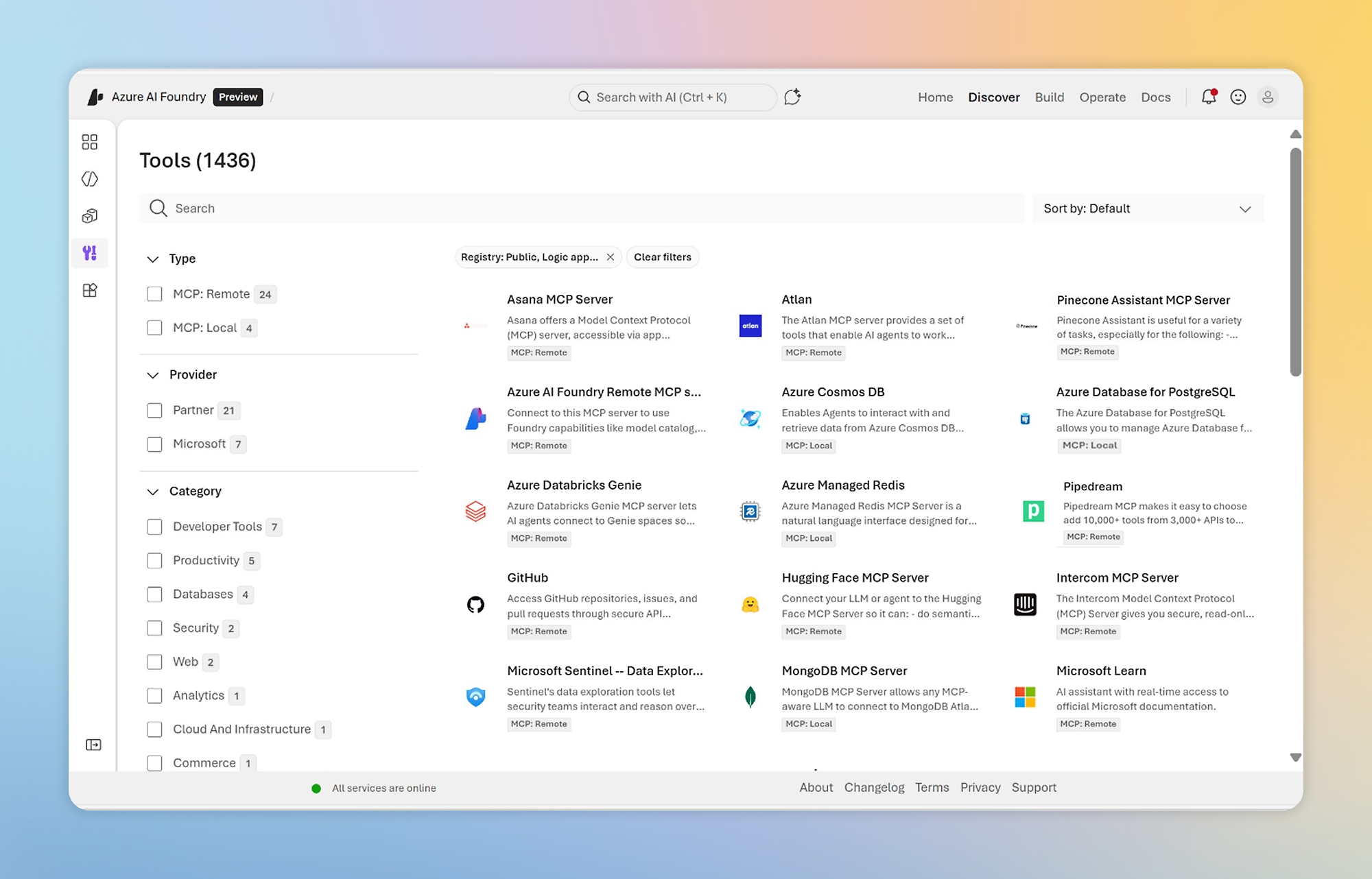
Microsoft Azure, much like its corporate parent, has a strong appeal to the enterprise world, often fitting neatly into existing IT ecosystems thanks to its deep integration with Microsoft’s suite of products. Azure’s AI platform is robust, offering a compelling blend of managed services, powerful compute resources, and a hybrid cloud approach that resonates with many organizations seeking enterprise AI supercomputing solutions. With services like Azure Machine Learning, Azure Cognitive Services, and specialized NC/ND series Virtual Machines (backed by NVIDIA GPUs), it provides a holistic environment for developing, deploying, and managing AI at scale. It’s the seasoned enterprise solution that speaks your language (probably C#).
Key Benefits
- Enterprise-Grade Security & Compliance: Strong focus on enterprise security, data privacy, and compliance certifications, making it ideal for regulated industries and sensitive workloads. This often goes hand-in-hand with the advanced security measures discussed in Hidden Benefits of Confidential Computing for AI.
- Hybrid Cloud Capabilities: Azure Stack and Azure Arc enable seamless integration between on-premises infrastructure and the public cloud, crucial for enterprises with existing data centers.
- Integrated Tooling & Ecosystem: Deep integration with Visual Studio, GitHub, and Microsoft’s existing enterprise software landscape, simplifying developer workflows.
- Managed ML Services: Azure Machine Learning provides a comprehensive set of managed services for the entire ML lifecycle, including automated ML (AutoML) and MLOps tools.
- Powerful Compute Options: Access to cutting-edge NVIDIA GPUs (A100, V100, H100) and specialized AI VMs for high-performance training and inference workloads.
Pricing
Azure’s pricing structure is similar to AWS, offering a pay-as-you-go model with various instance types and managed services billed per hour or minute. They also provide discounts for reserved instances and hybrid benefits for existing Microsoft license holders, which can be a significant cost-saver for enterprises. While still complex, their pricing calculator and cost management tools are generally well-regarded for their clarity. It’s like a corporate expense report system – detailed, but you know exactly where everything’s going.
Pros & Cons
Azure shines for enterprises deeply embedded in the Microsoft ecosystem, offering strong integration and a familiar security posture. Its hybrid capabilities are a major draw for those not ready for a full cloud migration. However, while extensive, its raw AI ecosystem might not be as vast or as bleeding-edge in certain specialized areas as AWS or Google Cloud. The learning curve, though arguably smoother for Microsoft veterans, can still be substantial. Sometimes, playing it safe means you’re not always leading the pack, but you’re definitely not falling off the cliff either. This strategic thinking around resource allocation and efficiency reminds me of the considerations when debating Experimental Results: Human vs. Agentic Workflow Efficiency.
3. Google Cloud AI Platform (Vertex AI)

Google Cloud, with its heritage in search and AI innovation, offers a powerful and increasingly unified AI platform, primarily centered around Vertex AI. Known for pioneering custom hardware like Tensor Processing Units (TPUs) and contributing significantly to open-source AI frameworks (hello, TensorFlow!), Google Cloud positions itself as the cutting-edge choice for enterprises pushing the boundaries of machine learning and enterprise AI supercomputing. If you’re looking to run some of the largest, most data-intensive models with specialized hardware, Google Cloud often has a compelling story. It’s the tech-savvy, slightly eccentric genius of the group, always tinkering with something new.
Key Benefits
- Cutting-Edge Custom Hardware (TPUs): Unique access to Google’s custom-designed TPUs, optimized for large-scale deep learning model training, often delivering superior performance for specific workloads.
- Vertex AI for Unified MLOps: Vertex AI consolidates various ML services into a single platform, simplifying the entire ML lifecycle from data ingestion to model deployment and monitoring.
- Strong Open-Source Support: Deep integration and contributions to open-source frameworks like TensorFlow and JAX, appealing to data scientists and researchers.
- Advanced AI Services: Rich portfolio of pre-trained AI models (Vision AI, Natural Language AI, etc.) and specialized services for specific use cases, accelerating development.
- Global Network Infrastructure: Leveraging Google’s high-performance global network for fast data transfer and low-latency access to resources. When dealing with highly sensitive data across this network, considering the strategies outlined in Hidden Benefits of Confidential Computing for AI becomes even more paramount.
Pricing
Google Cloud’s pricing follows the industry standard pay-as-you-go model, with per-second billing for compute and attractive sustained use discounts. TPU pricing can be distinct, reflecting its specialized nature. While generally competitive, managing costs across a complex Vertex AI deployment requires attention to detail. They also offer a generous free tier for many services. It’s like paying for a bespoke suit; it fits perfectly, but you want to make sure you’re getting exactly what you need.
Pros & Cons
Google Cloud’s strength lies in its innovation, especially with TPUs, which can offer a significant performance edge for specific large-scale deep learning tasks. Vertex AI provides a highly integrated and streamlined MLOps experience. The biggest con, for some, might be its smaller overall market share compared to AWS and Azure, potentially meaning a slightly less mature ecosystem of third-party integrations or a smaller community for troubleshooting. However, if you’re pushing the boundaries of AI, their advanced offerings are hard to ignore. It’s not for the faint of heart, but the rewards can be substantial. For any enterprise considering a significant leap in AI capabilities, understanding the impact on human and AI agent collaboration, as explored in Experimental Results: Human vs. Agentic Workflow Efficiency, is a crucial strategic step. Also, on a completely different note, sometimes you just need to step away from the terminal and gain some perspective. I’ve found that for expanding my mental models and staying sharp amidst all this complexity, Audible has been a real game-changer. It’s like having a personal mentor in your ear, offering insights on everything from psychology to productivity, a quiet rebellion against the constant screen time, and frankly, a lifesaver when my brain needs a break from optimizing GPU clusters.
How We Conducted Our Research: A No-Nonsense Approach to Enterprise AI Supercomputing Comparisons
Let’s be real, nobody enjoys wading through endless spec sheets and marketing jargon. Our approach to this enterprise AI supercomputing comparison isn’t about regurgitating vendor claims; it’s about understanding the practical implications for *your* enterprise. We put ourselves in your shoes, asking the tough questions that actually matter when you’re making million-dollar decisions.
Our Research Criteria
- Pricing: Evaluating market value and cost efficiency. We didn’t just look at advertised rates, but considered the complexities of billing, potential hidden costs (egress fees, support tiers), and the true TCO for large-scale, sustained AI workloads. What does it *really* cost to run that monster model for a month?
- Features: Identifying the “Must-Haves.” Beyond raw compute, we focused on ecosystem maturity, MLOps tooling, ease of integration, and the breadth of specialized AI services. Can it handle data prep as easily as model deployment? Does it play nice with your existing data lakes?
- Negatives: Transparent debugging of missing features. No platform is perfect. We actively sought out common pain points, potential vendor lock-in scenarios, and areas where each platform might fall short for specific enterprise needs. We’re not afraid to point out where the wheels might wobble a bit.
- Support: Community and refund policy checks. When your supercomputer inevitably throws a tantrum at 3 AM, who’s going to answer the phone? We considered the quality of vendor support, the vibrancy of their developer communities, and the clarity of their service level agreements (SLAs). Because knowing who to call when things go sideways is half the battle. This comprehensive view ensures a robust assessment, much like our internal discussions on How AI Can Truly Transform Your Workforce, which digs into strategic integration beyond just the tech.
Conclusion: Picking Your Enterprise AI Supercomputing Champion
So, there you have it – a hopefully less headache-inducing dive into the world of enterprise AI supercomputing. There’s no single “best” platform, only the best fit for your specific enterprise needs, existing infrastructure, and strategic AI roadmap. AWS offers unparalleled breadth and scale, ideal for those who want maximum flexibility and a vast ecosystem. Azure appeals strongly to enterprises with existing Microsoft ties, prioritizing strong security, compliance, and hybrid capabilities. Google Cloud, with its Vertex AI and TPUs, is a fantastic choice for organizations pushing the absolute limits of deep learning and seeking cutting-edge performance.
The journey to scaling your AI ambitions with supercomputing power is significant, but with the right platform, it doesn’t have to be an exercise in masochism. Consider your data governance, your team’s existing skill sets, and your long-term vision. This enterprise AI supercomputing comparison aims to be your compass in this complex terrain. Choose wisely, and your workforce won’t just be scaling; it’ll be truly supercharged. And remember, sometimes the best strategy is to simplify, learn, and iterate, much like we explore in our ongoing research, which also impacts our thinking around the broader implications of How AI Can Truly Transform Your Workforce.